The demo cannot be trusted
Without evaluation and fallbacks, a model that works on friendly examples becomes a risk the moment real users and messy data arrive.

South Africa & United Kingdom
Give us a call. We would love to discuss your project.AI where it earns its keep
We build AI features that do a job: document processing, classification, retrieval over your own knowledge, and assistants wired into real workflows.
If a simpler system solves the problem, we will say so and build that instead. Every AI feature ships with evaluation, guardrails, fallbacks, and cost control.
Bring the problem, the systems involved, and the outcome you need. We will tell you what is realistic.
Why teams call us
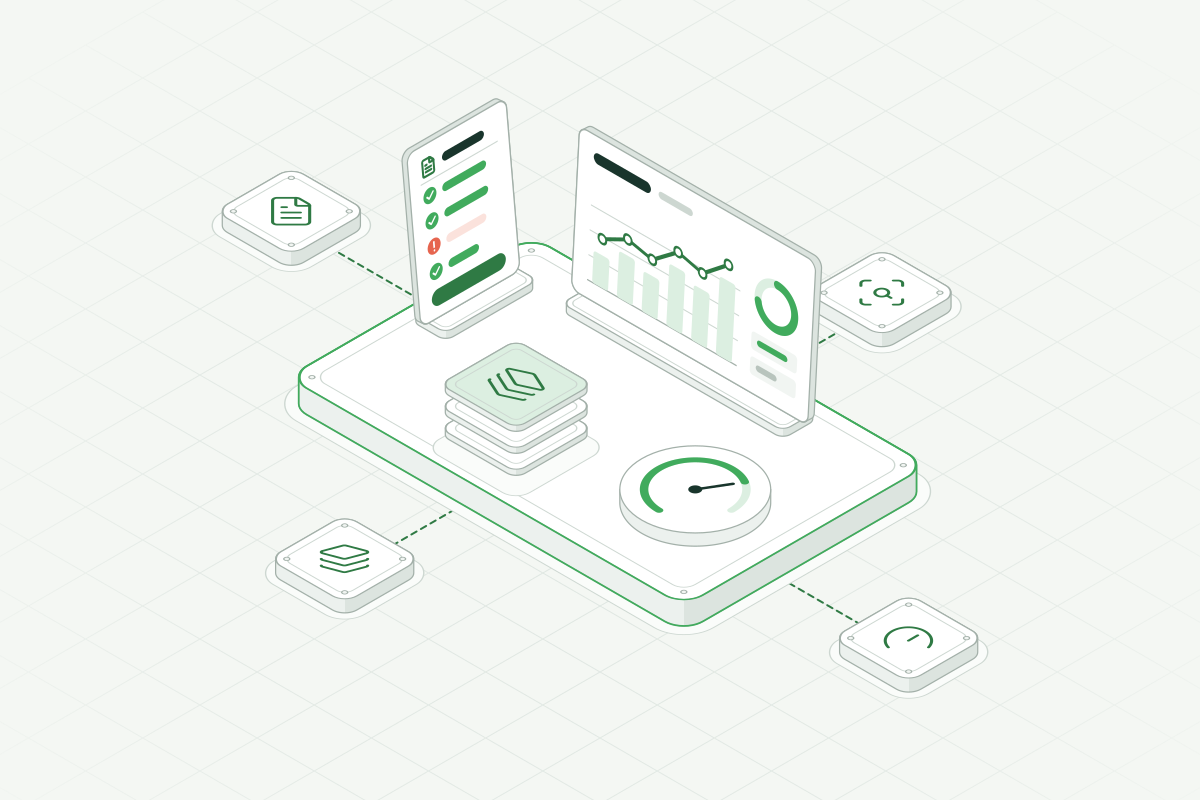
Most AI demos look clever once. Production needs something different: measurable quality, bounded cost, clear ownership, and a place in the actual workflow.
Without evaluation and fallbacks, a model that works on friendly examples becomes a risk the moment real users and messy data arrive.
A feature that is clever but expensive or slow will not survive contact with operations. We design for the unit economics of use.
The useful work is rarely a chat box. It is retrieval, extraction, classification, and decision support inside systems people already use.
What we build
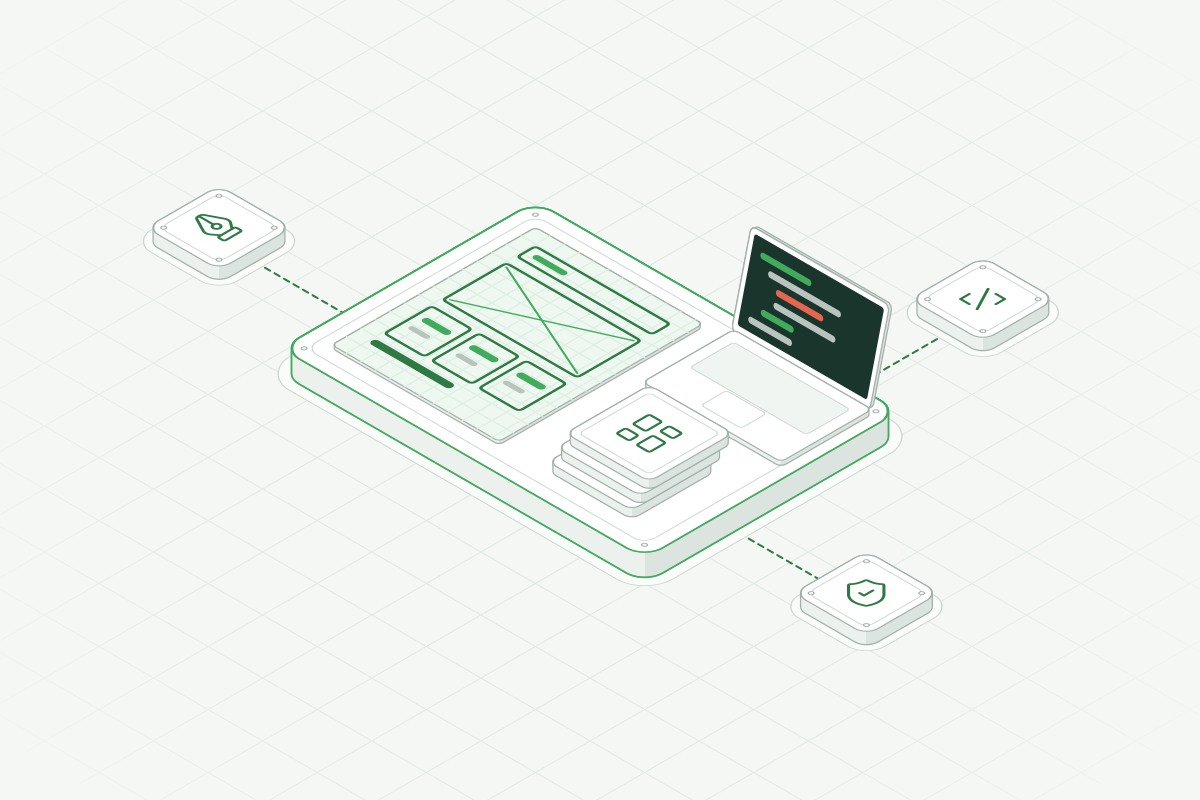
We build AI features that do a job: document processing, classification, retrieval over your own knowledge, and assistants wired into real workflows. If a simpler system solves the problem, we will tell you and build that instead.
Every AI build ships with the unglamorous parts that make it dependable: evaluation, guardrails, fallbacks, and cost control. You get a system your business can trust, not a prototype that impressed once.
How AI delivery works
A disciplined path from the business job to an AI feature with evaluation, guardrails, and ownership built in.
We start by understanding the business problem, the people involved, and the systems already in place. The output is a clear brief: what we are building, who it serves, and what success looks like.
We turn the brief into something you can see and react to. Wireframes and working prototypes make the decisions concrete before full development begins, so changes happen while they are still cheap.
We put the product in front of real users and real data early. Structured feedback rounds catch gaps and rough edges long before launch day.
We build in short, visible increments with quality checks, deployment, and handover in view from the first week. Launch becomes a step in the process, not a cliff at the end of it.
Related services
Connect AI features to operational and customer workflows for Johannesburg teams.
Plan product design, integration and engineering with a distributed team.
Building, designing, and maintaining websites, ensuring functionality, user experience, and responsiveness across devices.
FAQ
Start with one bounded task and the systems it may access. Scope retrieval, permitted actions, approval points, evaluation examples and a human fallback before adding autonomy. Agree the evaluation results, operating limits and handover evidence needed before the workflow can be released.
No. If rules, search, or a simpler model is the better answer, we will say so. AI only earns a place when it beats the simpler alternative on value, risk, and cost.
Yes. Retrieval, extraction, and workflow integration over your own material is a common starting point, with access control and evaluation designed in.
With evaluation sets, guardrails, fallbacks, observability, and cost controls from the first production path, not as an afterthought.
No. Many projects add AI into existing web or operations products where a specific bottleneck is already clear.