Screens look finished but feel confusing
Users can see every control and still not know what to do next. Hierarchy, language, and task flow matter more than polish alone.

Benoni South Africa
87 Kei Rd
Farrarmere
1501
Design that survives contact with users
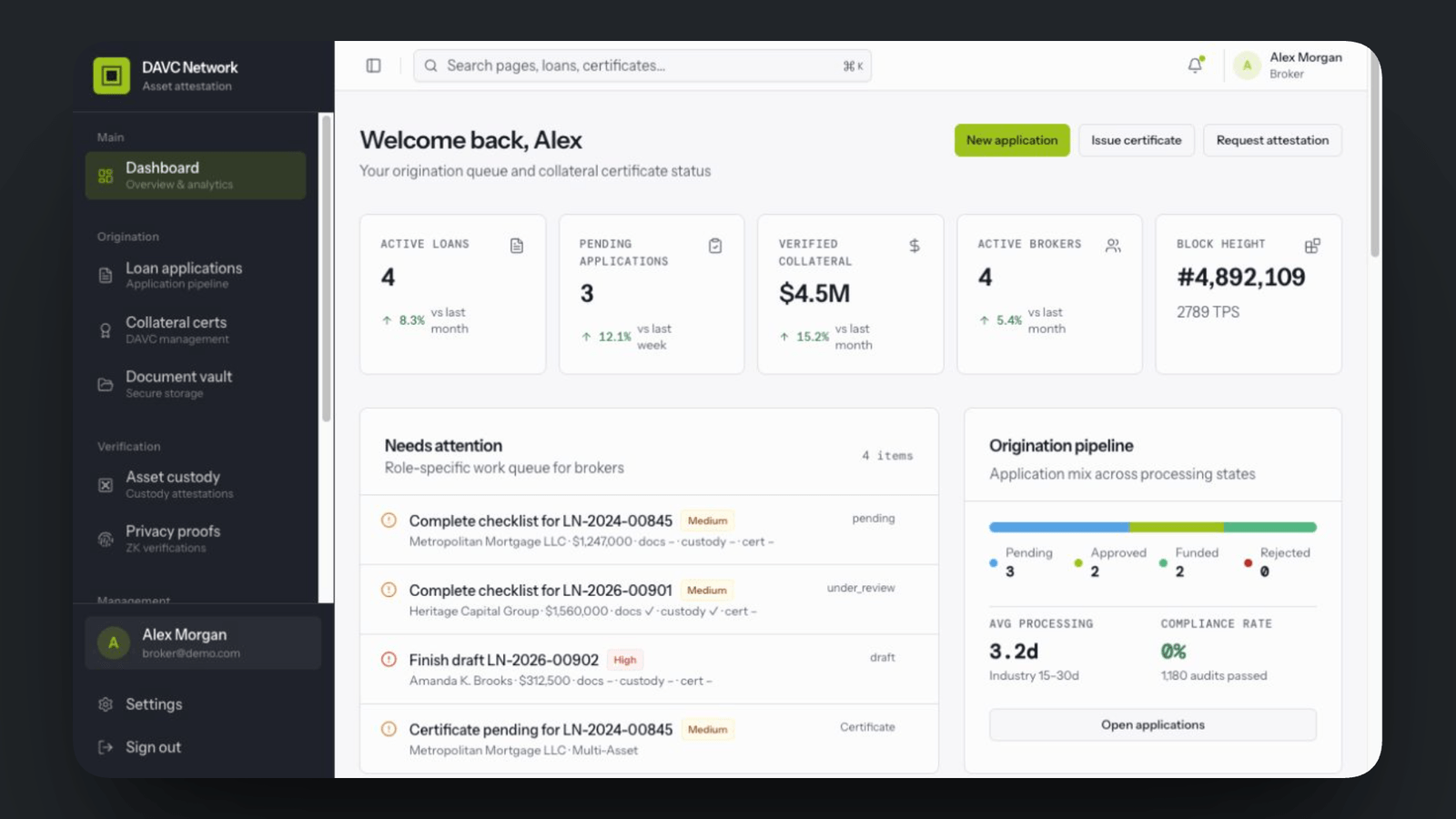
Good product design is mostly deciding what a screen is for. We design interfaces for dense, real-world workflows where clarity matters more than decoration.
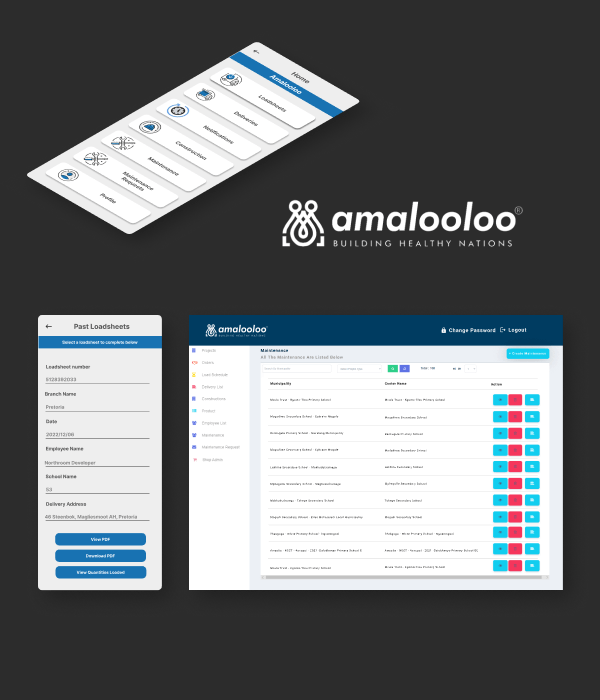
We work from the decisions users actually make, produce high-fidelity screens developers can build from without guesswork, and stay involved while the product ships.
Bring the problem, the systems involved, and the outcome you need. We will tell you what is realistic.
Why teams call us
Pretty screens are cheap. Useful product design is harder: it has to reduce cognitive load, respect domain complexity, and still be buildable.
Users can see every control and still not know what to do next. Hierarchy, language, and task flow matter more than polish alone.
Without a clean design system and build-ready specs, implementation quietly rewrites the product under pressure.
Finance, legal, clinical, and operations products fail when design pretends the work is simpler than it is. We design for the real decisions.
What we design
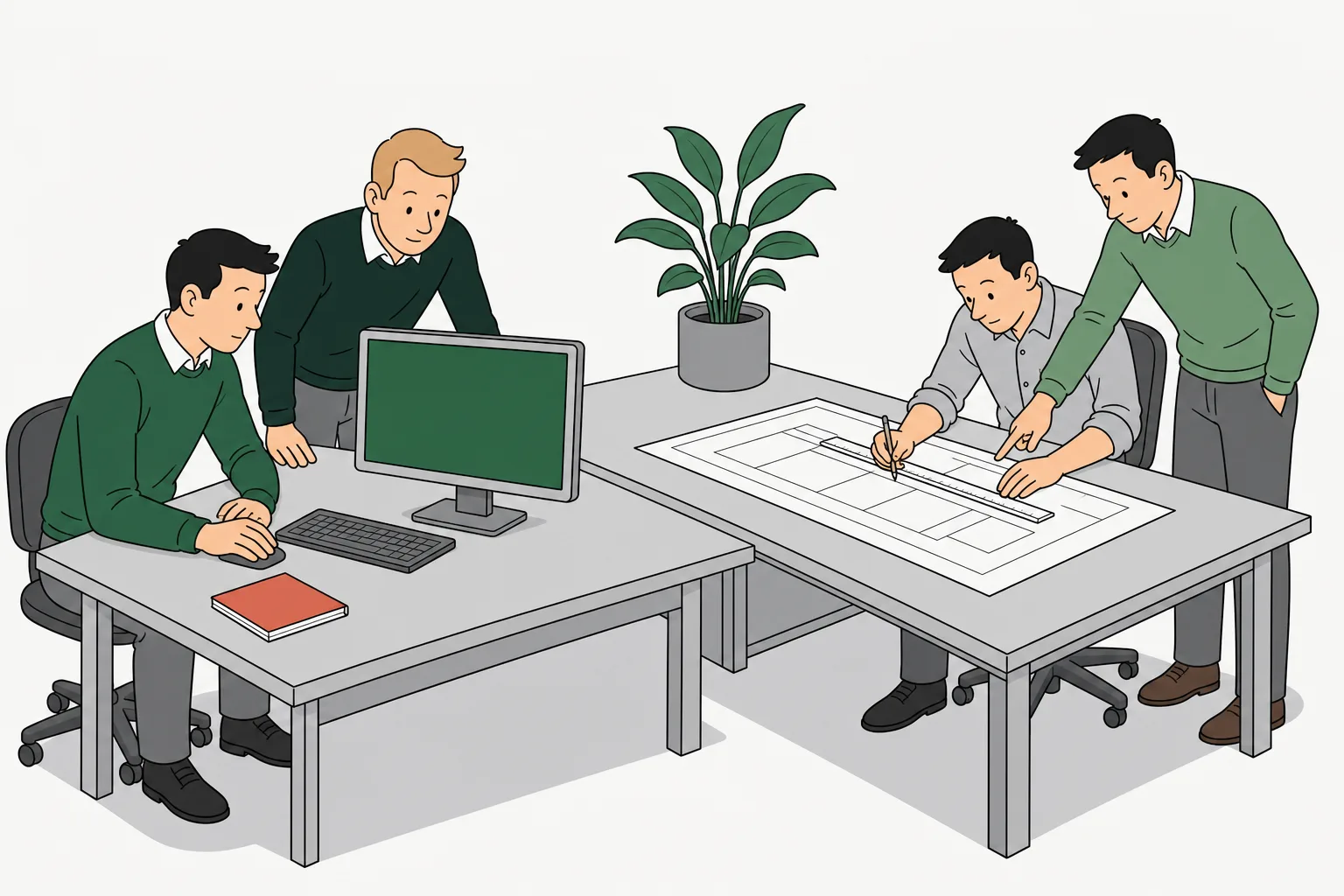
Good product design is mostly deciding what a screen is for. We design interfaces for dense, real-world workflows - operations, finance, clinical, legal - where clarity matters more than decoration.
We work from the decisions users actually make, produce high-fidelity screens developers can build from without guesswork, and stay involved while the product ships so the design survives implementation.
How design delivery works
A design process that starts from real decisions, tests clarity early, and survives implementation.
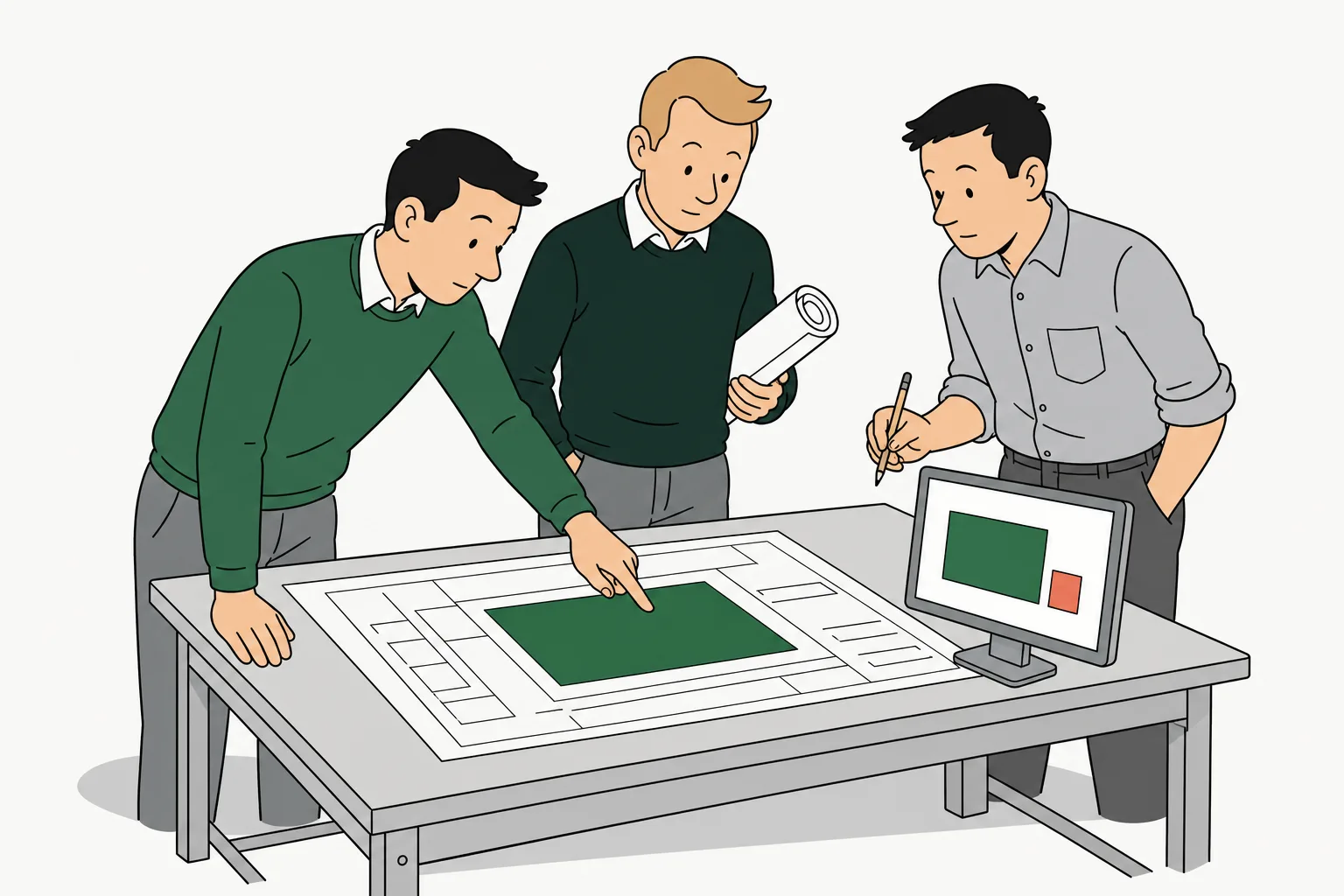
We start by understanding the business problem, the people involved, and the systems already in place. The output is a clear brief: what we are building, who it serves, and what success looks like.
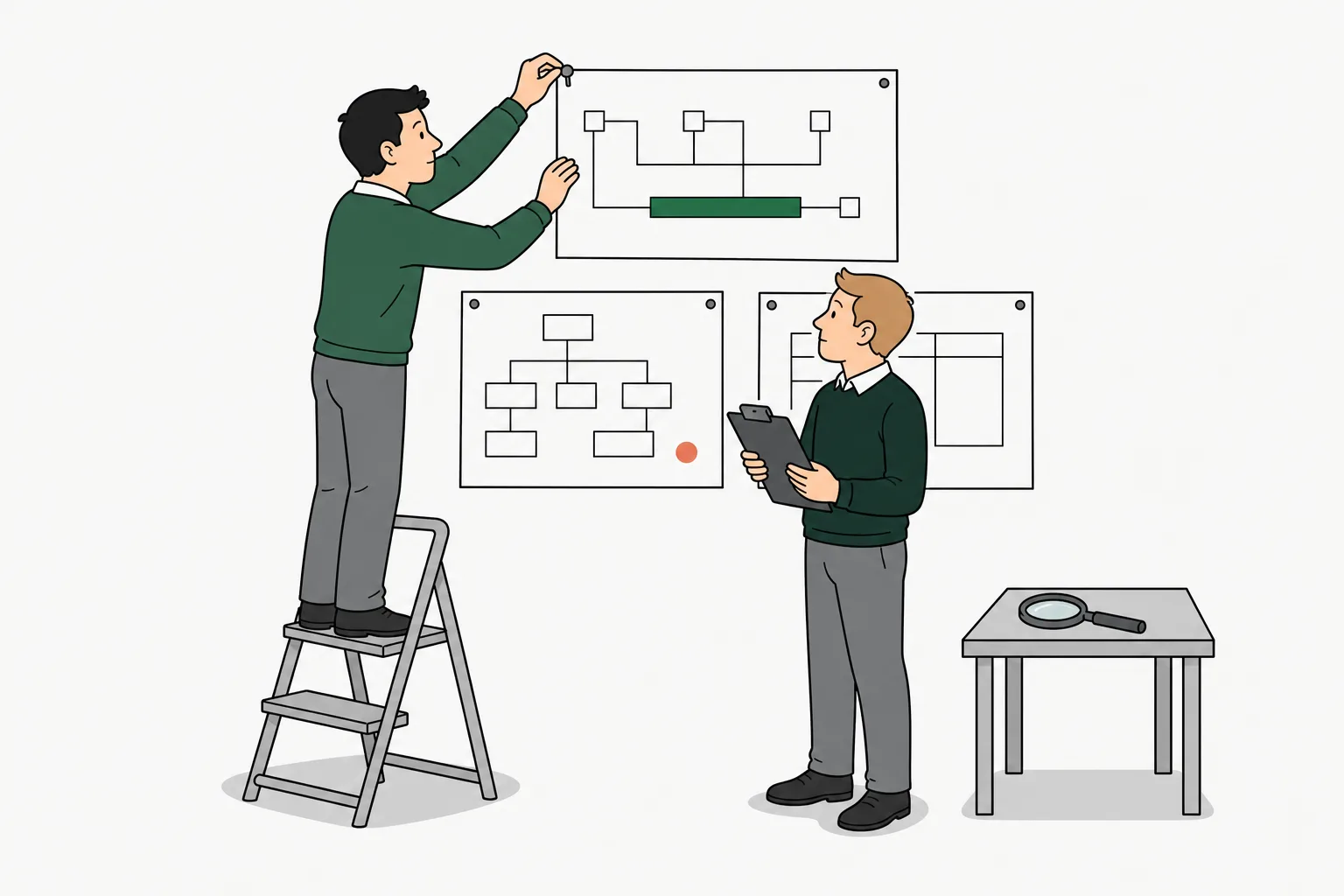
We turn the brief into something you can see and react to. Wireframes and working prototypes make the decisions concrete before full development begins, so changes happen while they are still cheap.
We put the product in front of real users and real data early. Structured feedback rounds catch gaps and rough edges long before launch day.
We build in short, visible increments with quality checks, deployment, and handover in view from the first week. Launch becomes a step in the process, not a cliff at the end of it.
Related services
Building, designing, and maintaining websites, ensuring functionality, user experience, and responsiveness across devices.
Creating applications specifically for mobile devices, optimizing functionality and user interaction on iOS and Android platforms.
Build intelligent systems capable of learning, analyzing data, and making decisions to solve complex problems.
FAQ
We design and build. That means the design work is grounded in implementation reality, and the handoff is cleaner because the same studio can carry the product through delivery.
Yes. Many engagements start with the critical flows, information architecture, and interface debt that are costing users the most time and confidence.
Yes, when the product needs consistency as it grows. We favour systems that developers can use, not decorative component catalogues.
With high-fidelity screens, interaction notes, and enough structure that engineering does not have to invent missing states under deadline pressure.
Ready to make the product clearer
Share the product, the users, and the messy parts of the flow. We will show you how to turn that complexity into something people can actually use.
Bring the problem, the systems involved, and the outcome you need. We will tell you what is realistic.