A customer journey needs a complete service
Registration, permissions, the core task and support need to work together. Define the smallest complete journey before adding more screens or features.

South Africa & United Kingdom
Give us a call. We would love to discuss your project.Software that leaves the office
We design and build iOS and Android applications for customer journeys and field operations. Our South African mobile app development team connects the app to the APIs, records and web systems behind it, from the first prototype through release.
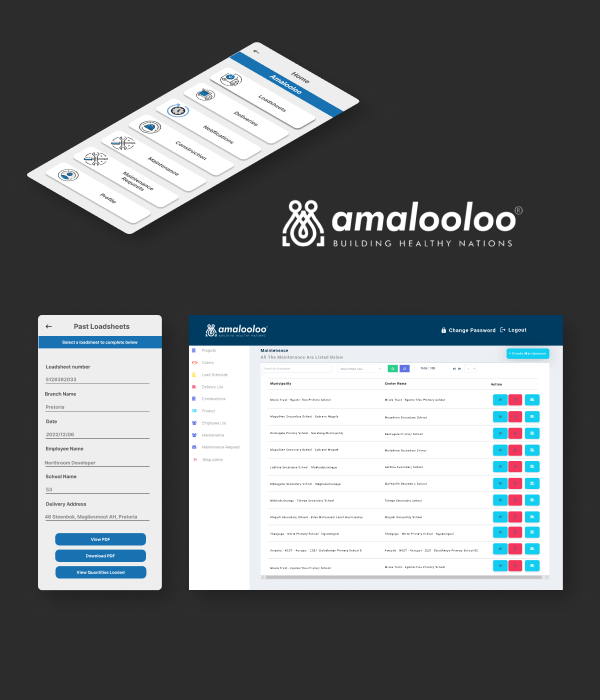
Our published Amalooloo work uses React Native and Expo for delivery, installation, maintenance and quality-control workflows connected to an office web system. We plan device features, connectivity, testing and handover around the actual job.
Bring the problem, the systems involved, and the outcome you need. We will tell you what is realistic.
Why teams call us
Customer apps and field tools have different constraints. We scope the essential journeys, platform requirements and system connections before choosing how to build the first release.
Registration, permissions, the core task and support need to work together. Define the smallest complete journey before adding more screens or features.
If the product dies without signal, the work dies with it. Offline capture and dependable sync are part of the product, not a later upgrade.
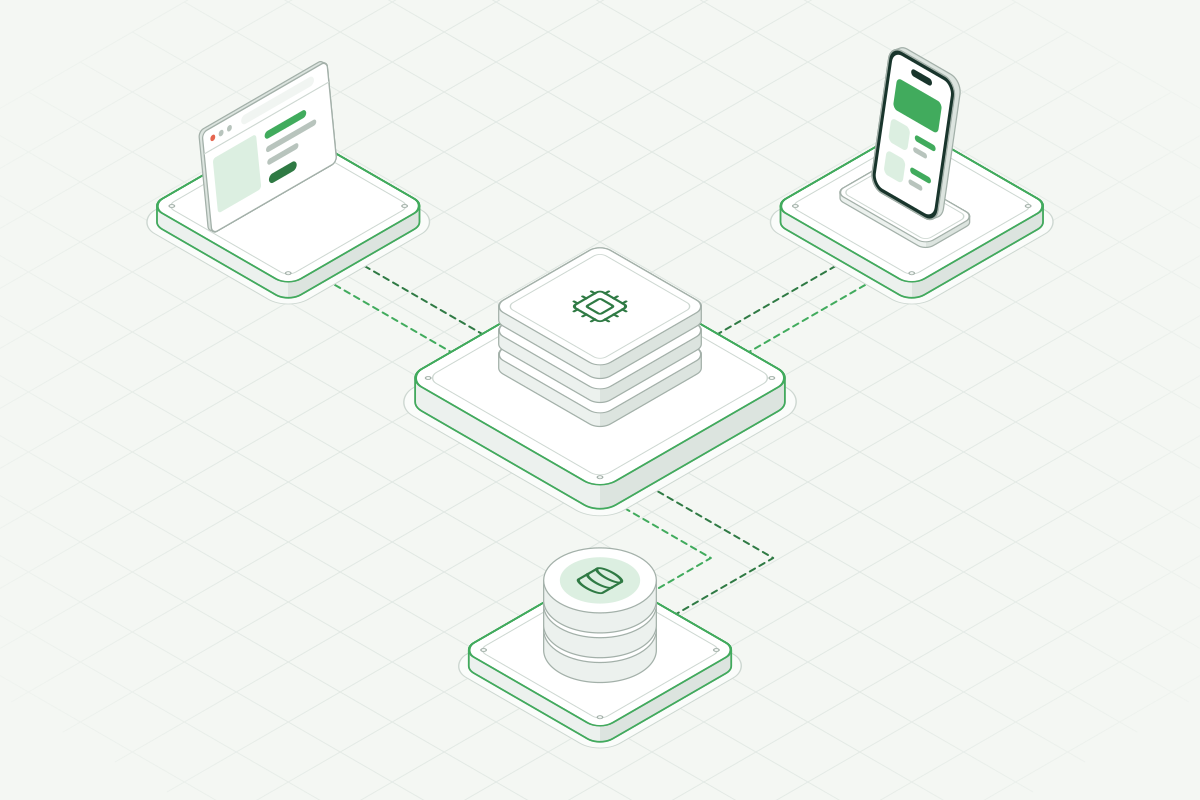
Field apps only create value when they feed clean records into the web systems, dashboards, and operational processes behind them.
What we build
Some of the most valuable software in a business runs nowhere near a desk: deliveries, installations, inspections, sales visits. We build mobile applications for exactly that work, connected to the web systems your office runs on.
We design for real conditions: patchy signal, gloves, sunlight, and users who need to finish a task in seconds. Offline-capable, synced, and built to survive the day.
How mobile delivery works
A field-aware process that keeps the mobile product usable under real conditions and connected to the systems behind it.
We start by understanding the business problem, the people involved, and the systems already in place. The output is a clear brief: what we are building, who it serves, and what success looks like.
We turn the brief into something you can see and react to. Wireframes and working prototypes make the decisions concrete before full development begins, so changes happen while they are still cheap.
We put the product in front of real users and real data early. Structured feedback rounds catch gaps and rough edges long before launch day.
We build in short, visible increments with quality checks, deployment, and handover in view from the first week. Launch becomes a step in the process, not a cliff at the end of it.
Related services
iOS and Android product design, integration and release support from a shared codebase.
Building, designing, and maintaining websites, ensuring functionality, user experience, and responsiveness across devices.
Combine visual aesthetics and user-centric design principles to craft digital products that are both intuitive and visually engaging.
FAQ
Cost depends on the complete service: user roles, design, iOS and Android requirements, APIs, data migration, payments, device features and testing. A focused app using an existing API is a different scope from a platform needing a new backend, an operations portal and offline sync. We estimate the agreed work rather than promise a price from the number of screens.
Ask for discovery and design, app and backend development, integrations, testing, store release and handover to be identified separately. Agree assumptions, exclusions, acceptance criteria and who owns repositories, store accounts and infrastructure. Allow for hosting, third-party services, monitoring and ongoing maintenance after launch.
We usually ship iOS and Android from a shared codebase when product speed and consistency matter. If a native-only path is clearly better for the product, we will say so.
Yes. Offline-first design is a core part of our mobile work for field operations, with background sync and conflict handling designed into the product.
Yes. Delivery includes store packaging, release support, updates, and the monitoring needed after launch.
That is usually the point. We design the mobile product as part of the broader system, not as a disconnected side project.
Plan your mobile product
Tell us who will use the app, which platforms matter and what already exists. We will discuss the scope, integration risks and a practical first release before preparing a proposal.
Bring the problem, the systems involved, and the outcome you need. We will tell you what is realistic.